D: While doing nama japa for an hour or more, I fall into a state like sleep. On waking up, I recollect that my japa has been interrupted. So, I try again.
M: ‘Like sleep’, that is right. It is the natural state. Because you are now associated with the ego, you consider that the natural state is something which interrupts your work. So you must have the experience repeated until you realize that it is your natural state.
You will then find that japa is extraneous, but still it will go on automatically. Your present doubt is due to that false identity, namely, identifying yourself with the mind that does the japa. Japa means clinging to one thought to the exclusion of all other thoughts. That is its purpose. It leads to dhyana, which ends in Self- realization or jnana.
D: How should I carry on nama japa?
M: One should not use the name of God mechanically and superficially without the feeling of devotion. To use the name of God, one must call upon Him with yearning and unreservedly surrender oneself to Him. Only after such surrender is the name of God constantly with the man.
D: Where is, then, the need for inquiry or vichara?
M: Surrender can take effect only when it is done with full knowledge as to what real surrender means. Such knowledge comes after inquiry and reflection and ends invariably in self-surrender. There is no difference between jnana and absolute surrender to the Lord, that is, in thought, word and deed.
To be complete, surrender must be unquestioning; the devotee cannot bargain with the Lord or demand favors at His hands. Such entire surrender comprises all; it is jnana and vairagya, devotion and love.
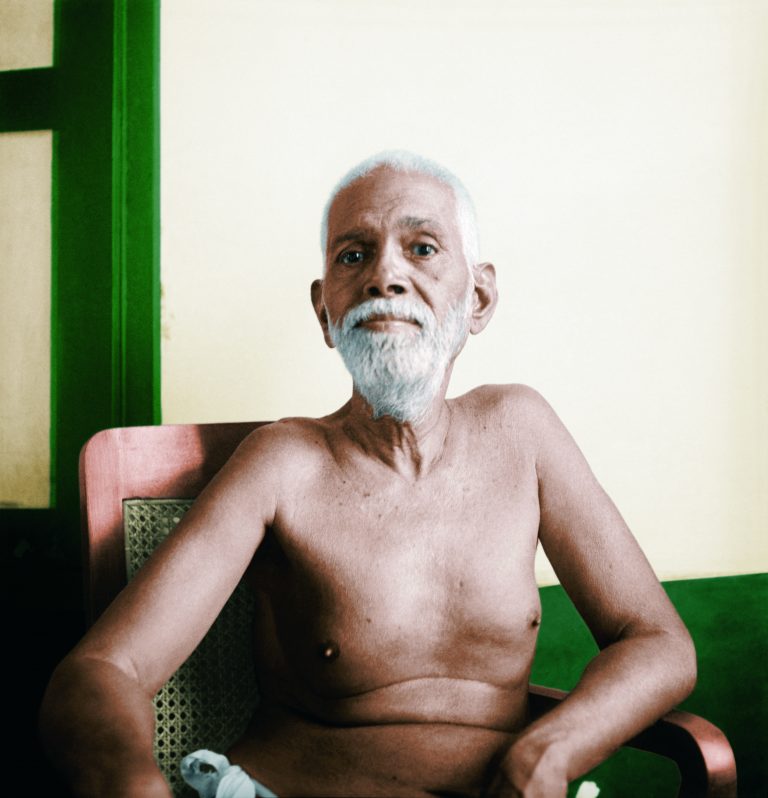
– Sri Ramana Maharshi